Why Tasmania can see the southern lights
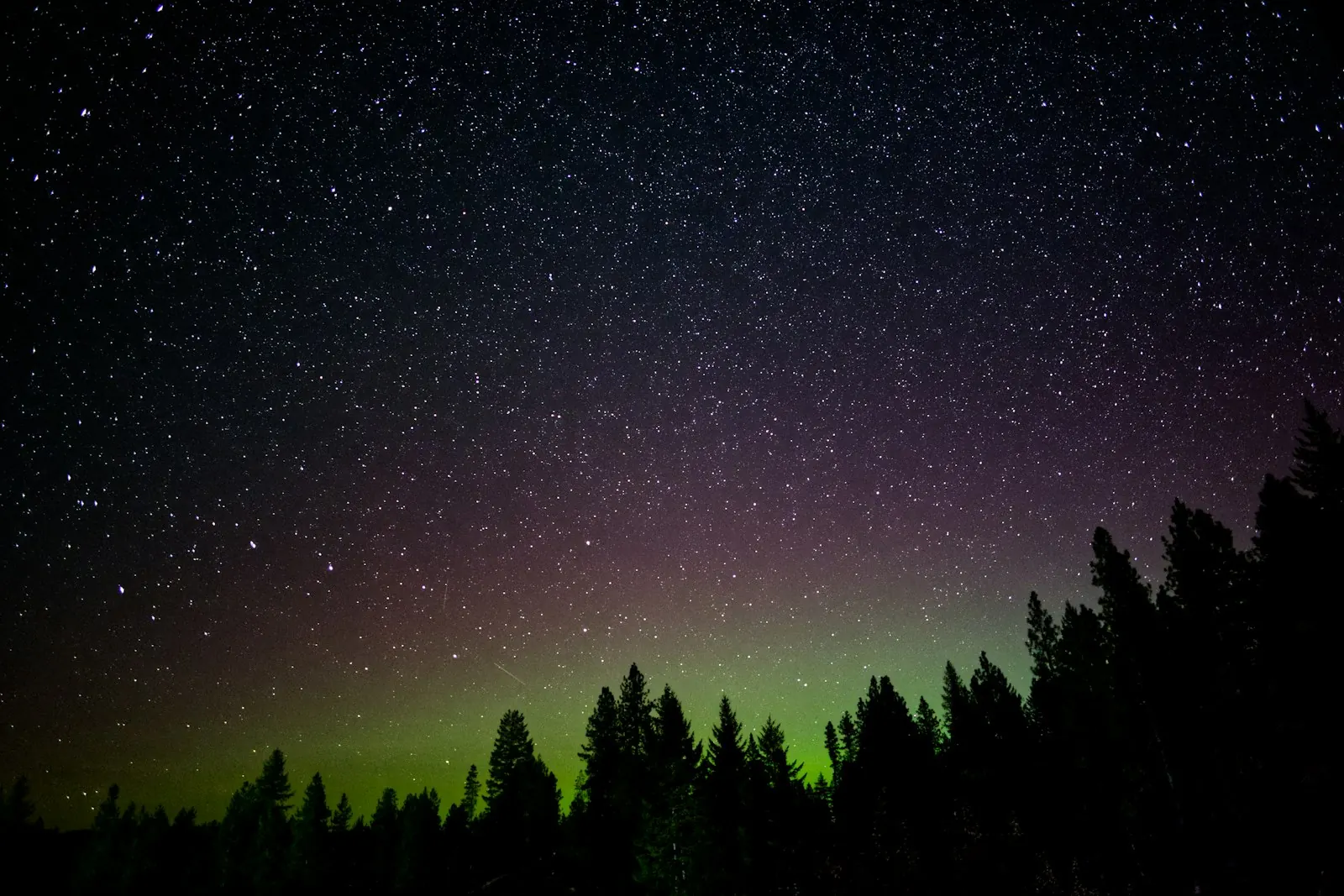
Auroras begin with activity from the Sun. When conditions are favourable, charged particles carried by the solar wind interact with Earth's magnetic environment and are guided toward high latitudes. Collisions high in the atmosphere release light, creating aurora borealis in the north and aurora australis in the south.
The brightest activity is concentrated in rings around the magnetic poles called auroral ovals. Tasmania is much closer to the southern oval than most of mainland Australia, so it is one of the country's better viewing regions. Better does not mean guaranteed: most nights, even clear ones, do not produce an obvious display from Hobart or the coast.
Start with a forecast, not a viral photograph
The Australian Bureau of Meteorology's space-weather service issues an Aurora Watch when solar-wind conditions may become favourable in the following one to three days. An Aurora Alert means visibility is considered more likely at that time. Real-time geomagnetic indices help experienced observers judge whether activity is strengthening or fading.
These products describe probability, not an appointment in the sky. A strong forecast can be defeated by cloud, moonlight or local light pollution, while the most photogenic images online may have been taken hours earlier or far from your location. Check the timestamp, location and official conditions before driving anywhere.
Build a viewing plan that is actually safe
Choose a legal location with a wide, unobstructed view toward the south. A dark beach or hill can work when access is safe, but road shoulders, private land, unstable cliffs and unfamiliar tracks are poor places to wait at night. Tell someone where you are going, carry a charged phone and dress for colder conditions than the daytime forecast suggests.
Reduce nearby light and allow your eyes time to adjust. Avoid shining headlights or bright torches toward other observers. The Bureau notes that the hours around 10 pm to 2 am can be productive, but there is no magic hour. A display can arrive early, late, briefly or not at all.
Why your camera may see colour first
At lower latitudes an aurora often sits low on the horizon and may look like a pale grey arc, vertical beams or faint movement. A camera can collect light for longer than the eye does in a single glance, so it may reveal green, red or purple that was not obvious in person. That difference is normal and does not automatically make the photograph fake.
Use a stable support, a wide lens and a timed exposure, then inspect the image without turning your screen to maximum brightness around other people. A phone's night mode can be enough to confirm a weak glow. Keep expectations grounded: a bright naked-eye storm is memorable precisely because it is uncommon.
The honest version of aurora chasing
The Bureau says auroras can occur throughout the year and notes that activity is statistically more likely around the March and September equinoxes. Darkness and weather still matter, so Tasmania's long winter nights can provide useful viewing opportunities even though winter itself does not manufacture auroras.
Successful aurora chasing involves patience, repeated checks and many quiet nights. Treat the landscape and other viewers respectfully, leave no rubbish and enjoy the dark sky even when the solar wind refuses to cooperate. A trustworthy forecast improves your odds; it cannot promise the spectacle.
Sources and further reading
This article was written for Curiosity Desk. We do not copy other publishers or invent quotes. If a material error is found, we correct it openly.
Read the full standards →